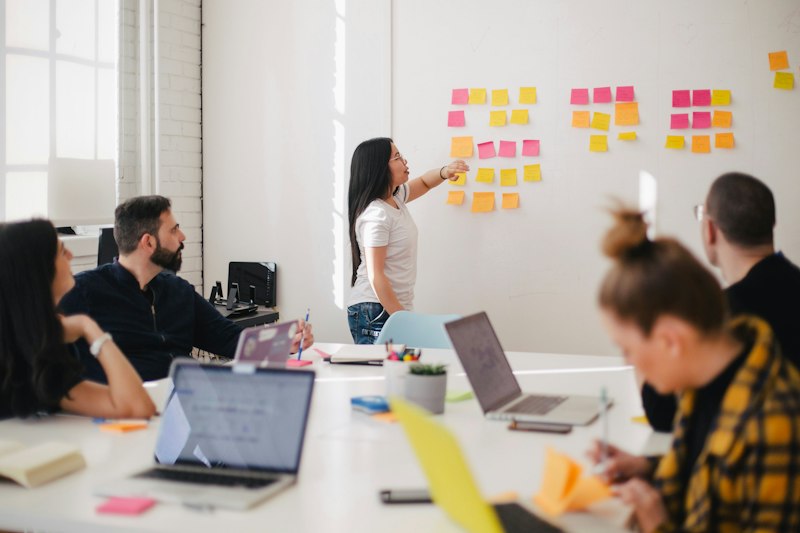
The workation is not a vacation. It's not a retreat. It's a deliberate blending of focused work with intentional experiences—delivered in a context so thoughtfully designed that teams emerge more creative, more connected, and more productive than they were before. After architecting 57+ workations, we've learned that the format works precisely because it rejects false binaries: you don't choose between 'being productive' and 'experiencing culture.' They're mutually reinforcing.
What a Workation Actually Is
A workation is typically 5–10 days where a team (or multiple teams) relocates to a carefully chosen European destination and maintains their regular work cadence—meetings, deliverables, deadlines—alongside intentional experience design. It's not a beach vacation where people work poorly at 11pm. It's a commitment to quality work during focused hours, paired with access to experiences you'd never have in your home city.
The structure typically looks like: mornings dedicated to focused individual work, midday collective work sessions or collaborations, late afternoons for experiences (cultural exploration, team activities, professional development), and evenings for informal connection. This rhythm maintains productivity while creating space for the interactions that drive innovation and culture.
How Workations Differ From Remote Work
Remote work is about flexibility—where you work from. Workations are about intentionality—what you work towards, and what you experience while getting there. The difference matters:
- •Remote work is permanent. Workations are time-bound (a defined sprint). This matters psychologically—people engage differently when there's a beginning and end.
- •Remote work is distributed. Workations co-locate teams. This dramatically accelerates decision-making and collaboration.
- •Remote work is neutral context. Workations intentionally design environment for inspiration—beautiful spaces, cultural immersion, novel settings activate different neural patterns.
- •Remote work is individual-focused. Workations are team-focused—the shared experience is the product, not a side effect.
Why Workations Drive Better Work
The best ideas don't emerge from isolated effort. They emerge from adjacent thinking—when someone from another discipline brings perspective, when unexpected conversations spark insights, when your brain is relaxed enough to make creative connections. Workations create conditions for this by design.
Neuroscience confirms this: the brain's Default Mode Network (the neural system responsible for creativity and insight) activates during periods of mild stimulation and relaxation. Working from an inspiring European location, with afternoon breaks spent exploring or collaborating, activates this system more effectively than grinding in a home office.
The Work Structure: Maintaining Productivity
This is crucial: successful workations maintain disciplined work structure. We typically recommend 3–4 hours of focused morning work (individual contributor time), followed by collaborative sessions (meetings, brainstorms, problem-solving). This protects the types of work that require uninterrupted attention, while creating space for the collaborative magic that happens when teams are co-located.
The venue matters here. Quality workation destinations provide: reliable, fast internet; comfortable work spaces (not 'fun beach cabanas'); quiet focus areas alongside collaborative spaces; climate control; professional ambiance. The experience isn't compromised by productivity—it's enabled by infrastructure that makes work frictionless.
The Experience Layer: Culture & Connection
If the morning is work-focused, the afternoon is experience-focused. This might include: guided exploration of the destination's cultural landmarks; skill-building workshops (cooking classes, design workshops, language sessions); team activities with intentional bonding objectives; informal group meals in local restaurants; evening salons or discussion circles.
The key is intentionality. Experiences aren't random. They're designed to accomplish specific cultural objectives—building cross-team understanding, celebrating company values in context, creating shared stories, developing informal relationships that accelerate decision-making back at the office.
Types of Workations We Design
Innovation Sprint Workations: 7–10 days focused on solving a specific business challenge (product roadmap, strategic decision, operational redesign) in an inspiring environment. The novelty of location unlocks different thinking patterns.
Culture Strengthening Workations: 5–7 days with a primary goal of team bonding, cross-unit collaboration, and cultural immersion in values. Work continues, but experience design is primary.
Leadership Development Workations: Cohort-based programs where emerging leaders develop skills (strategic thinking, public speaking, executive presence) while maintaining their regular work. The shared learning environment accelerates growth.
Client/Partner Relationship Workations: Co-create value with key clients or partners by designing a shared workation that builds deeper relationships while advancing mutual business objectives.
What We've Learned From 1,300+ Workation Participants
Participants consistently report three impacts: (1) Psychological—feeling valued by the company, experiencing new energy, building meaningful relationships outside their immediate team. (2) Cognitive—access to better thinking due to cognitive diversity, exposure to new perspectives, neuroplasticity from novel environments. (3) Behavioral—tangible changes in how teams collaborate post-workation, faster decision-making, increased cross-functional project initiation.
The lasting impact is often underestimated. A team that workations together develops implicit understanding and trust patterns that persist for years. They return to the office with shared stories, in-jokes, and collaborative muscle memory that accelerates all future work.
The best workation designs marry morning discipline (protected focus time) with afternoon intentionality (curated experiences). This rhythm creates both productivity and culture.
Is a Workation Right for Your Team?
Workations work best for: distributed teams needing co-location benefits, companies in innovation phases needing fresh thinking, organizations with strong culture values they want to reinforce experientially, leadership cohorts developing new capabilities. They're less ideal for: highly time-sensitive operations that can't afford a week away, teams with new members who lack baseline relationships, companies without commitment to intentional design.
Ready to transform how your team works together? Let's design a workation that combines productivity with genuine transformation.
Explore Workation OptionsReady to plan your team trip?
Tell us about your team and receive a personalized proposal within 24 hours.